
Persistent knee, hip, shoulder, or musculoskeletal pain can make even routine decisions difficult. Patients seeking Orthopaedics care often wonder when symptoms justify specialist evaluation plus what they should expect from an orthopaedic consultation.
Orthopaedics covers conditions affecting bones, joints, ligaments, tendons, muscles, plus related structures. The aim of specialist assessment is to identify the source of symptoms before determining whether treatment should involve rehabilitation, medication, injections, or surgery.
When Should You Consider an Orthopaedic Consultation?
Occasional mild discomfort after unusual physical activity may settle with appropriate rest. Persistent or progressive symptoms deserve closer attention.
Consider specialist assessment when you experience
- Joint pain lasting several weeks
- Recurrent swelling
- Difficulty walking
- Restricted movement
- Joint instability
- Persistent sports-related pain
- Pain after trauma
- Increasing stiffness
- Night pain
- Weakness affecting normal activity
Severe injuries, visible deformity, inability to bear weight, or loss of circulation or sensation require more urgent medical assessment.
What Happens During the First Visit?
A useful orthopaedic consultation begins with history rather than imaging alone.
The doctor may ask when symptoms started, how they have changed, which movements cause difficulty, whether an injury occurred, plus which treatments have already been attempted.
The physical examination can assess movement, strength, joint stability, swelling, tenderness, walking pattern, plus specific structures suspected of causing symptoms.
Do You Always Need an MRI?
No.
Imaging should be selected according to the clinical problem.
X-rays can provide important information about fractures, arthritis, alignment, plus bone changes. Ultrasound can be useful for selected soft-tissue conditions. MRI offers detailed information about structures such as ligaments, cartilage, tendons, plus menisci.
Ordering advanced imaging before a clinical assessment is not always necessary.
Look for Treatment Options, Not Only Procedures
A patient seeking orthopaedic care should expect discussion of reasonable treatment choices.
Many conditions can be managed without surgery through physiotherapy, strengthening, activity modification, weight management, medication, bracing, or selected injections.
Surgery may be discussed when structural damage, persistent symptoms, instability, trauma, or loss of function makes operative treatment appropriate.
A balanced consultation should explain why a particular treatment is being recommended.
Questions to Ask Your Orthopaedic Surgeon
Before deciding on treatment, consider asking
- What is causing my symptoms?
- Is the diagnosis confirmed?
- What happens if I delay treatment?
- Can physiotherapy help?
- Is surgery necessary?
- What are the treatment risks?
- What recovery should I realistically expect?
- When can I return to work or sport?
Clear answers help patients participate meaningfully in treatment decisions.
Joint Replacement Requires Careful Assessment
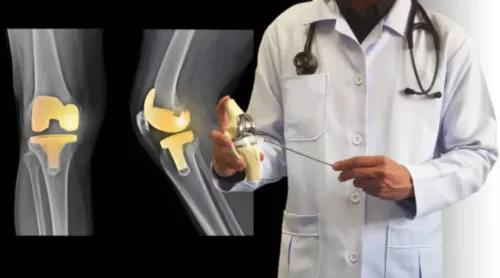
Patients with advanced hip or knee arthritis may eventually require replacement surgery.
However, replacement should be based on symptoms, functional limitations, examination findings, imaging, plus response to previous treatment.
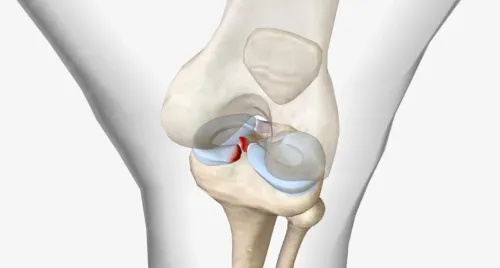
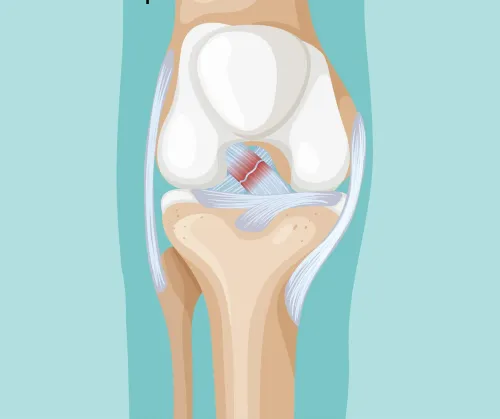
Similarly, sports injuries such as ACL tears, meniscal tears, rotator cuff injuries, or shoulder instability require individualized planning rather than automatic surgery.
Choosing Care Locally
For patients seeking orthopaedic care in Santacruz, Maharashtra, convenient access to consultation can be particularly useful when treatment requires follow-up appointments, imaging review, postoperative checks, or rehabilitation monitoring.
Dr. Sujit Korday provides assessment for joint disorders, sports injuries, trauma-related conditions, plus selected joint replacement needs.
The most useful orthopaedic consultation should leave you understanding three things clearly what the problem is, what treatment choices are reasonable, plus what outcome can realistically be expected. That clarity allows patients to make decisions based on their actual condition rather than online assumptions or procedure names.
Keywords