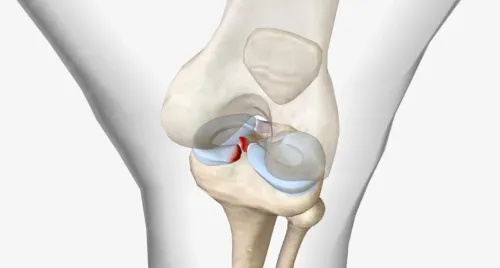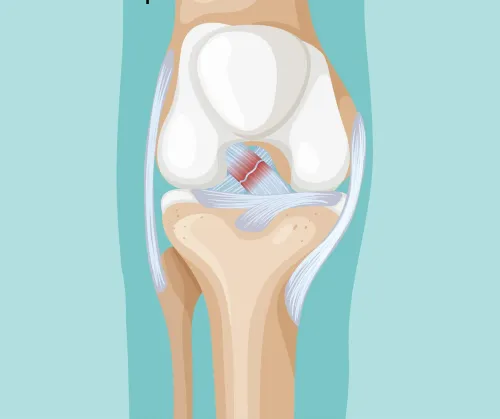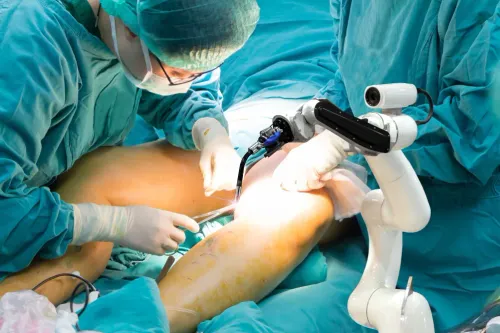
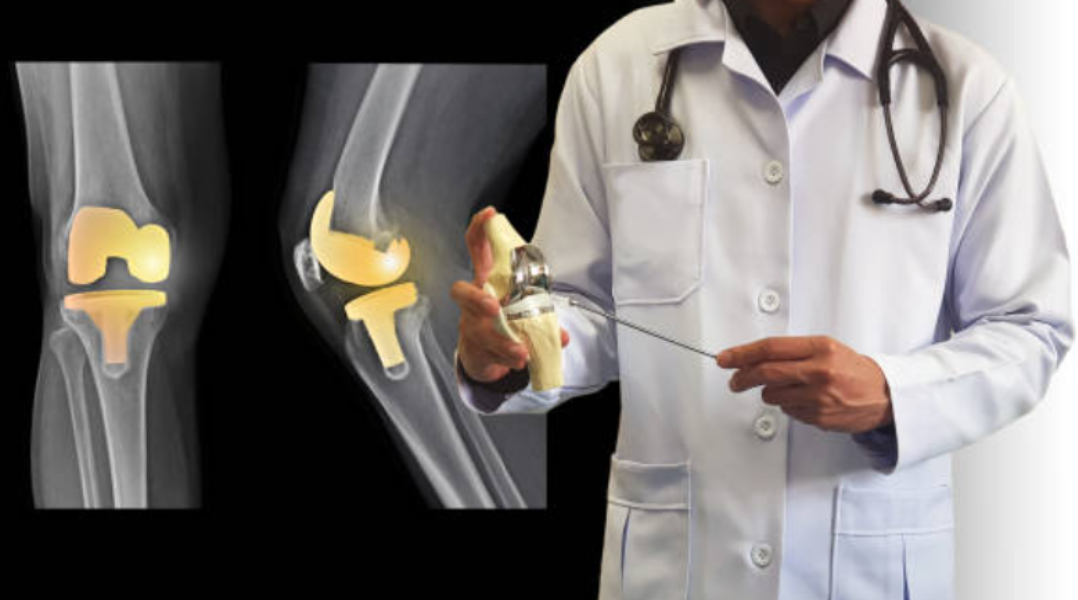
Patients preparing for knee replacement often spend time researching implant brands or robotic technology. The Subvastus Approach for TKR introduces another important topic how the surgeon reaches the knee joint while performing Total Knee Replacement.
The subvastus technique is a surgical approach that accesses the knee while passing beneath the vastus medialis portion of the quadriceps rather than splitting that muscle.
It can be useful in selected patients, but suitability should be determined individually.
What Happens During a Subvastus Approach?
During Total Knee Replacement, the surgeon needs sufficient access to remove damaged surfaces plus accurately position the prosthetic components.
The subvastus approach is designed to preserve the quadriceps mechanism by approaching beneath part of the muscle.
This differs from other established approaches that provide exposure through a different soft-tissue pathway.
The important issue is not simply the size or location of the incision. Adequate visualization plus accurate surgery remain essential.
Why Might Patients Ask About This Technique?
Patients often research muscle-sparing approaches because they are interested in postoperative pain, early movement, walking, plus rehabilitation.
Preserving certain soft tissues may offer potential early recovery advantages for selected patients.
However, individual results vary. No approach guarantees a particular recovery speed.
The surgeon must balance soft-tissue preservation with safe exposure of the joint.
Who May Be Suitable?
Suitability depends on factors such as
- Knee anatomy
- Degree of deformity
- Joint stiffness
- Previous surgery
- Body habitus
- Muscle condition
- Complexity of replacement
- Surgeon experience
A technique that works well for one knee may not provide the safest exposure for another.
What Should Matter Beyond the Approach?
Patients sometimes focus so strongly on the surgical approach that they overlook other important aspects of knee replacement.
Before proceeding, discuss
- Why replacement is necessary
- Expected pain relief
- Implant selection
- Surgical planning
- Infection prevention
- Blood-clot prevention
- Pain-management strategy
- Rehabilitation
- Expected activity after recovery
Accurate component positioning, ligament balance, plus appropriate rehabilitation are major parts of the overall result.
How Do You Know Whether TKR Is Actually Needed?
Total Knee Replacement is usually considered for advanced joint damage accompanied by significant symptoms.
A patient may have persistent pain while walking, stiffness, night pain, reduced mobility, deformity, or difficulty performing normal activities.
Before surgery, conservative treatments such as physiotherapy, exercise modification, weight management, medication, or selected injections may have been attempted.
X-ray severity alone should not dictate surgery. Symptoms plus functional limitations matter considerably.
Preparing for the Consultation
Bring previous X-rays, MRI reports where available, medication lists, plus information about earlier treatments.
Explain which activities are difficult rather than describing pain only with a number.
For example, tell the surgeon whether you struggle to climb stairs, walk to nearby shops, sit comfortably, sleep, or perform work-related tasks.
Functional details help establish how strongly arthritis is affecting everyday life.
Making an Informed Surgical Decision
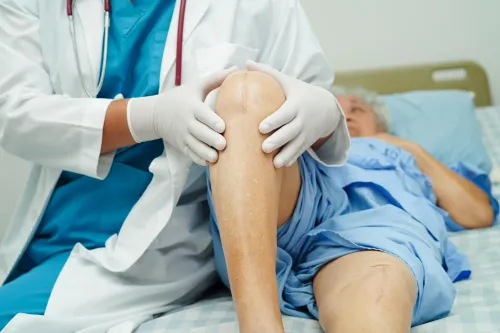
For patients considering the subvastus approach for TKR in Bandra, Maharashtra, Dr. Sujit Korday can assess knee deformity, movement, imaging findings, plus overall suitability for knee replacement.
Patients should understand why a particular approach is recommended rather than assuming that one technique is universally superior.
A good surgical plan considers the entire knee, not just the incision. Patient selection, accurate execution, appropriate implants, medical preparation, plus rehabilitation collectively influence the recovery process.
Keywords