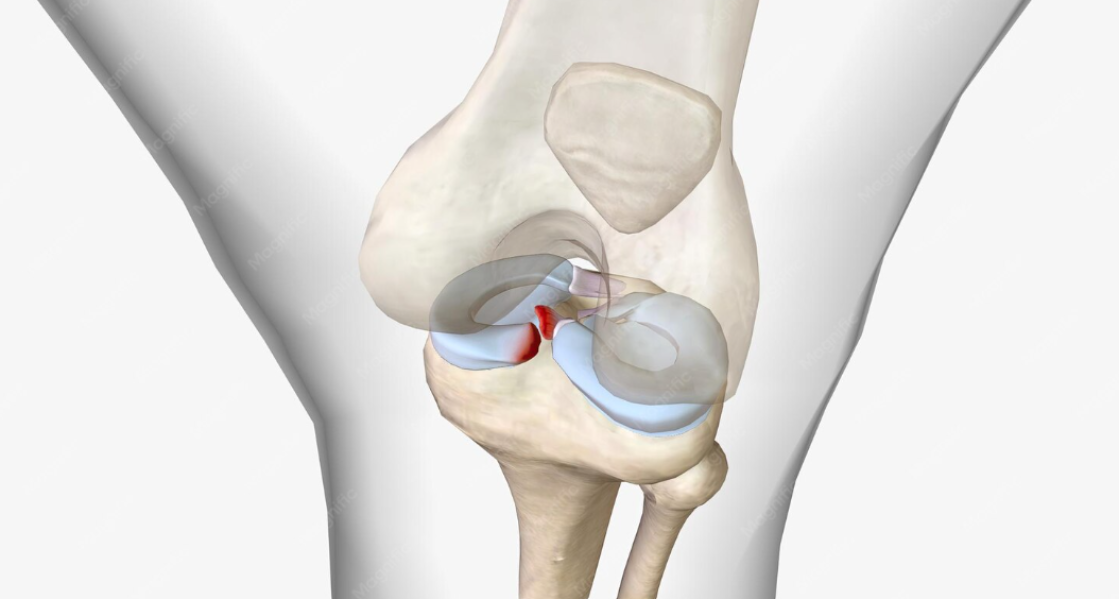
A painful click after twisting the knee can be unsettling, particularly when the knee later swells or feels as though it is catching. A Meniscal Tear of Knee is one possible explanation.
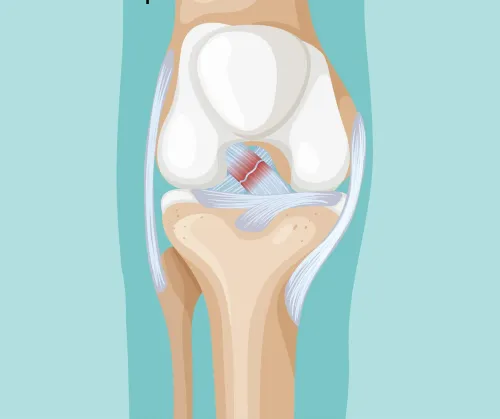
The menisci are cartilage structures that help distribute load plus contribute to knee stability. Tears may occur after sports injuries or develop gradually as the tissue changes with age.
How Meniscal Tears Happen
In younger patients, tears commonly occur after twisting on a planted foot during sport.
In middle-aged or older adults, degenerative changes can make the meniscus more vulnerable. A relatively minor movement may then trigger symptoms.
Not every meniscal tear produces the same pattern of pain.
Symptoms Worth Evaluating
Common symptoms include
- Pain along the knee joint line
- Swelling
- Clicking
- Catching
- Pain during deep bending
- Difficulty squatting
- Pain during twisting
- Reduced knee movement
Some patients describe locking, where the knee becomes mechanically difficult to straighten.
True locking deserves timely assessment because a displaced fragment can sometimes interfere with normal joint movement.
Does Clicking Always Mean a Meniscal Tear?
No.
Knees can click for many reasons. Tendons, kneecap movement, cartilage changes, arthritis, or normal joint mechanics can all create sounds.
Clicking without pain, swelling, locking, or functional limitation is different from clicking that begins after an injury plus causes persistent symptoms.
The complete clinical picture matters.
How Is a Meniscal Injury Assessed?
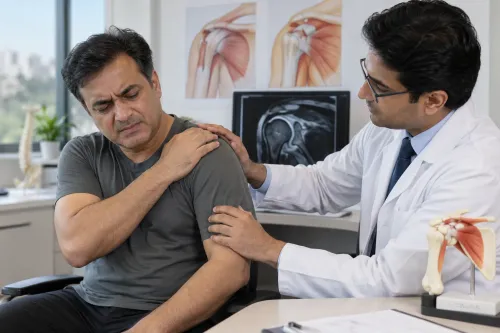
An orthopaedic surgeon typically asks about the mechanism of injury, location of pain, swelling, locking, plus activity limitations.
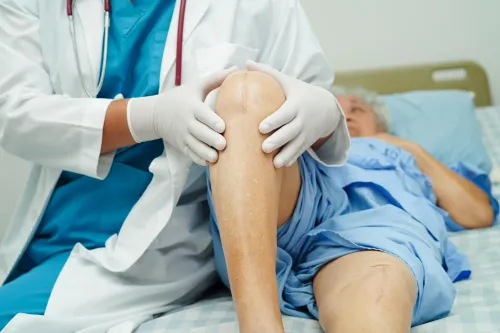
Physical examination includes checking movement, tenderness, stability, plus movements that may reproduce meniscal symptoms.
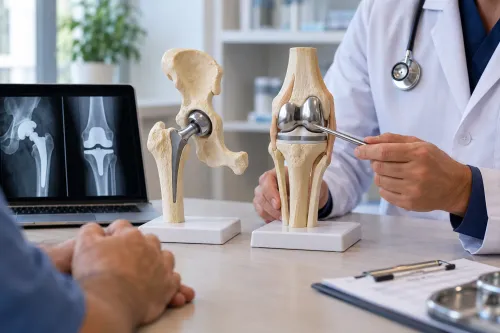
MRI may be recommended when the diagnosis remains uncertain, symptoms persist, or surgical planning is being considered.
Can a Meniscal Tear Heal Without Surgery?
Some tears can be managed conservatively.
Treatment may include temporary activity modification, physiotherapy, muscle strengthening, swelling control, plus gradual return to activity.
The ability of a tear to heal depends partly on its location because blood supply differs across the meniscus.
Age, tear pattern, size, symptoms, associated ligament injuries, plus cartilage condition also influence management.
When Might Arthroscopy Be Discussed?
Surgery is not necessary simply because an MRI reports a meniscal tear.
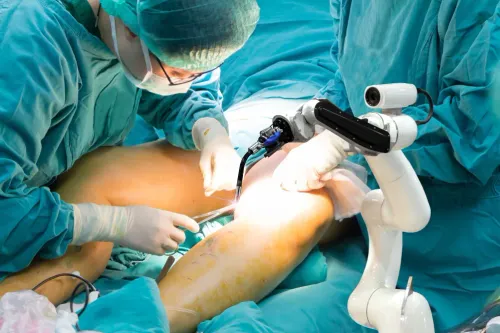
Arthroscopic treatment may be considered for selected symptomatic tears, particularly when mechanical problems persist or when a repairable traumatic tear is identified.
Where possible, preserving meniscal tissue is important because the meniscus contributes to load distribution within the knee.
The appropriate procedure depends on the type plus location of the tear.
Avoid Returning to Sport Too Early
Pain settling does not always mean the knee is ready for high-demand activity.
Before returning to sport, patients may need adequate movement, strength, balance, plus control.
An associated ACL injury should also be excluded when the original injury involved significant twisting or instability.
Patients experiencing persistent symptoms from a suspected meniscal tear in Khar, Maharashtra, can consult Dr. Sujit Korday for clinical assessment plus appropriate imaging guidance.
A meniscal tear should not be treated solely according to an MRI report. Symptoms, examination findings, tear characteristics, joint condition, plus individual activity goals all contribute to deciding whether rehabilitation, observation, or surgical treatment is most appropriate.
Keywords