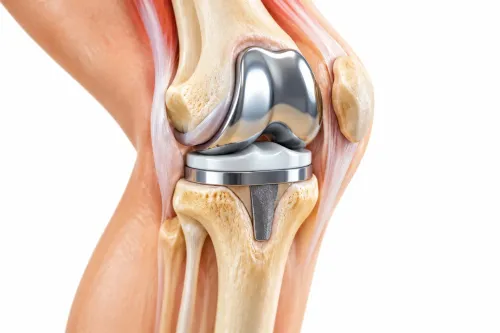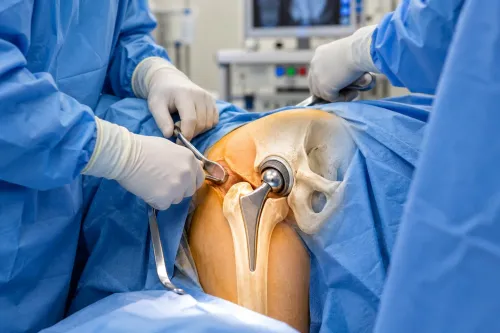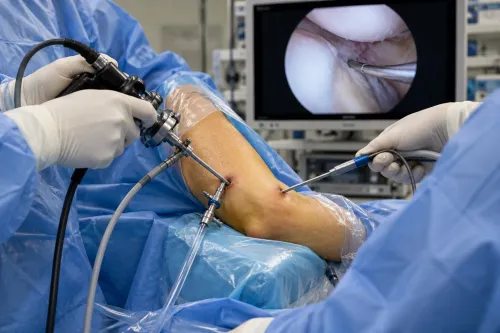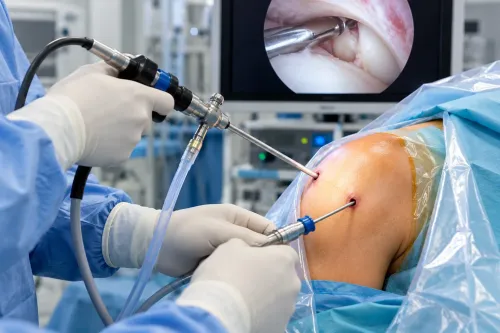
The right ACL plan depends on more than choosing between a patellar tendon, hamstring, quadriceps tendon, or donor graft. Your age, sport or job, knee stability, growth-plate status, associated injuries, and tolerance for harvest-site symptoms all change the balance. By the end, you will know which questions separate a sensible graft choice from a generic recommendation.
Key takeaways
- Rehabilitation can suit stable knees without repeated giving-way episodes.
- Graft choice depends on your sport, work, age, and knee demands.
- Meniscus and cartilage injuries can change the recommended operation.
- Ask how graft choice affects recovery, risks, and return to activity.
When rehabilitation is enough—and when reconstruction makes more sense
A stable knee without repeated giving-way episodes can often be managed with structured rehabilitation rather than surgery. The decision depends on your examination, tear pattern, activity goals, and associated meniscus or cartilage injuries—not the MRI alone.
| Option | What it involves | When it makes sense |
|---|---|---|
| Rehabilitation | Strength, movement control, and gradual return to activity without reconstruction | The knee is stable, symptoms are controlled, and you can avoid high-risk pivoting demands |
| ACL repair | Reattaching suitable torn ligament tissue to the bone | A fresh tear is near the ligament’s attachment, the tissue is healthy, and repair is technically feasible |
| ACL reconstruction | Replacing the torn ACL with a tendon graft through bone tunnels | Instability persists, the ACL is not repairable, or your work or sport requires reliable pivoting control |
Choose rehabilitation when you can walk, work, and exercise without buckling and accept limits on cutting, jumping, or sudden direction changes. Surgery becomes more compelling after recurrent giving-way, before returning to pivoting sport, or when instability threatens a repairable meniscus or worsens cartilage damage.
Repair preserves your own ACL tissue but suits only selected tear locations and tissue quality; it is not a simpler substitute for reconstruction in every tear. Reconstruction is usually the dependable option for a fully detached or irreparable ACL.
Ask, “which acl reconstruction option is right for me?” only after confirming whether you need surgery at all, whether repair is possible, and what demands you expect from the knee.
How the main ACL graft options compare
The key split in ACL reconstruction types is tissue source. An autograft uses your own tendon and usually has a lower failure risk than an allograft, especially for young, active patients. An allograft uses screened donor tissue, avoids a harvest wound, and does not weaken your own patellar tendon, hamstrings, or quadriceps.
| Option | Practical advantages | Main trade-offs |
|---|---|---|
| BTB autograft | Bone plugs at both ends support reliable bone-to-bone healing; widely established for demanding activity | More front-of-knee pain and kneeling discomfort; uncommon patellar fracture or patellar-tendon complications |
| Hamstring autograft | Smaller harvest-site incision and usually less anterior knee pain than BTB | Temporary hamstring weakness; tendon healing and graft size require careful assessment |
| Quadriceps-tendon autograft | Can provide a thick graft and avoids harvesting the patellar tendon; legitimate alternative to BTB and hamstring options | Early quadriceps weakness; less long-term comparative evidence than BTB and hamstring grafts |
| Allograft | No tendon harvest, so less harvest-site pain and no added weakness in your own tendon | Higher laxity or graft-failure risk in young, high-demand patients; donor screening and disease-transmission concerns remain |
For most active people, choosing among ACL graft options means balancing re-tear risk against kneeling pain, existing tendon problems, prior surgery, and rehabilitation demands. Allograft is not automatically the less invasive or safer choice: avoiding tendon harvest does not remove the biological risk of donor tissue.
Your skeletal maturity, planned activity, graft size, and surgeon’s experience also affect the recommendation.
Matching a graft to your sport, work, age, and daily demands
A 17-year-old footballer cutting and landing repeatedly usually has a different risk calculation from a 55-year-old who cycles and hikes. For young or highly active patients, an autograft is generally preferred because allograft failure risk is higher in this group.
Age alone does not decide the best ACL surgery option; activity, tissue quality, prior surgery, and knee-specific findings matter.
| Person or demand | Graft often considered | Main trade-off |
|---|---|---|
| Young pivoting athlete | Patellar tendon, quadriceps tendon, or hamstring autograft | Lower failure risk than allograft, but harvest-site pain or weakness depends on the tendon used |
| Recreational athlete | Autograft; selected older, lower-demand patients may discuss allograft | Allograft avoids harvest pain but is not automatically less invasive or safer |
| Older active adult | Autograft or, after individual assessment, allograft | Donor tissue may be reasonable at lower demands, while age does not remove failure risk |
| Kneeling worker | Hamstring or quadriceps autograft | These may reduce front-of-knee and kneeling discomfort compared with patellar tendon harvest; weakness remains a consideration |
| Heavy manual worker | Autograft matched to required lifting, climbing, and squatting | Recovery must restore both knee stability and harvest-site strength before full duties |
If you kneel all day, patellar tendon harvest may create an unwelcome pressure point. If your job depends on powerful hamstrings or quadriceps, discuss which weakness would disrupt work less. Your surgeon should also assess graft size, rotational laxity, meniscal injury, and whether a selective lateral extra-articular tenodesis is warranted.
Why the graft label is only one part of the operation
The graft name identifies its tissue source, not the whole operation. The main ACL reconstruction types also depend on graft diameter, how it is fixed, where the tunnels are drilled, and what else is injured inside the knee. A strong graft in the wrong position can leave you unstable.
- Graft diameter: A graft that is too small for your anatomy can increase failure concern; a larger graft must still fit the tunnels without damaging bone.
- Fixation: Screws, buttons, or other devices hold the graft while it incorporates. Poor fixation can permit early stretching or loosening.
- Tunnel placement: The femoral and tibial tunnels must reproduce the ACL’s functional position. A tunnel that is too vertical or misplaced can cause persistent pivoting instability.
- Growth plates: Children who are still growing need growth-plate-sparing or carefully planned paediatric techniques. Remaining growth, knee anatomy, and paediatric surgical experience matter more than simply choosing one graft label.
- Associated injuries: A meniscus tear, cartilage damage, or additional ligament injury can change the procedure and rehabilitation. Preserving and repairing a treatable meniscus supports long-term joint health.
- Rehabilitation: Return to sport follows strength, movement, and hop or functional testing, not the calendar alone. An early-feeling knee is not necessarily biologically ready.
An allograft avoids harvest-site pain but carries greater laxity or failure concern in young, high-demand patients. The best ACL surgery option is therefore the construct and recovery plan that fit your anatomy, demands, previous injuries, and surgeon’s technique.
The questions that turn a general option into your knee-specific plan
“Which ACL reconstruction option is right for me?” should produce a reasoned answer, not a graft name. Ask how your sport, work, kneeling tolerance, previous surgery, tendon symptoms, and rehabilitation capacity change the recommendation.
- Is an autograft safer for my age and activity level than an allograft, and what is my estimated re-tear risk?
- Would patellar-tendon harvest cause kneeling or front-of-knee pain? Would hamstring harvest affect sprinting, climbing, or lifting? What weakness is expected with a quadriceps-tendon graft?
- What graft diameter and fixation method will you use, and how will you place the femoral and tibial tunnels?
- Do I have a meniscus or cartilage injury that needs repair or treatment during reconstruction?
- Are my growth plates closed? If not, which growth-plate-sparing technique do you use?
- How many ACL reconstructions do you perform with this graft, and what rehabilitation milestones must I meet before running, pivoting, or heavy work?
| Graft choice | Ask about | Main trade-off |
|---|---|---|
| Patellar tendon autograft | Kneeling and anterior-knee symptoms | Strong fixation, but harvest-site pain can persist |
| Hamstring autograft | Hamstring strength and sprint demands | Less front-knee pain, but possible hamstring weakness |
| Quadriceps autograft | Quadriceps recovery and graft size | Useful tissue source, but early thigh weakness matters |
| Allograft | Age, activity, and failure risk | No harvest wound, but higher failure risk in young, active patients |
Dr. Sujit Korday- Orthopaedic Surgeon should explain why the proposed graft fits your knee rather than simply calling it the best ACL surgery option. Ask for the rehabilitation plan and the consequences of choosing another graft.
Related service
ACL Reconstruction Surgery Anterior Cruciate Ligament surgery, also known as ACL surgery, is a procedure that involves the repair or reconstruction of the anterior cruciate... View service → |
Frequently asked questions
When is rehabilitation enough instead of ACL reconstruction?
Structured rehabilitation can suit a stable knee without repeated giving-way episodes. Your examination, tear pattern, activity goals, and meniscus or cartilage injuries also guide the decision.
What are the main ACL reconstruction graft options?
The main options include patellar tendon, hamstring tendon, quadriceps tendon, and donor tissue grafts. Each has different recovery considerations, strengths, and potential disadvantages.
How do I choose the best ACL surgery option for my needs?
Match the graft and operation to your sport, work, age, previous injuries, daily demands, and willingness to follow rehabilitation.
Why is the graft label only one part of ACL surgery?
The operation also depends on tunnel placement, fixation, associated meniscus or cartilage treatment, rehabilitation planning, and the stability findings in your knee.
Keywords