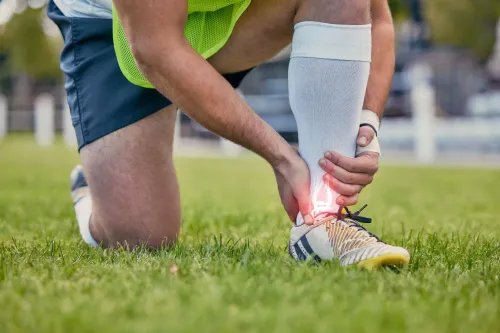
Falls, road accidents, workplace incidents, sports collisions, plus household injuries can cause damage ranging from minor soft-tissue injuries to complex fractures. Appropriate Trauma Care begins by identifying injuries that require urgent medical attention.
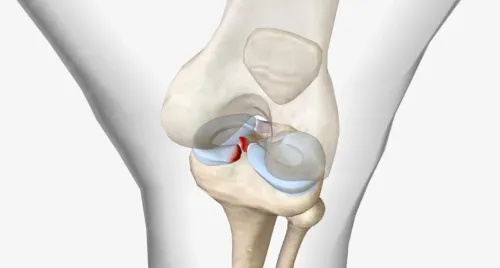
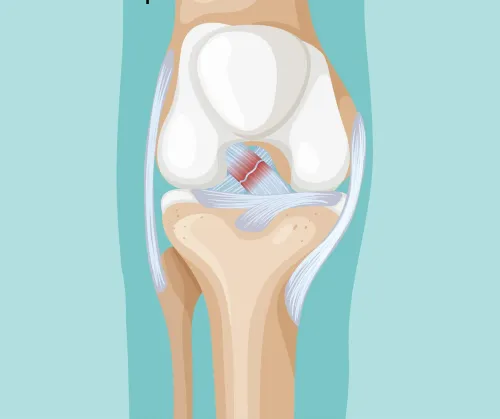
Orthopaedic trauma commonly involves fractures, joint dislocations, ligament injuries, tendon damage, plus injuries affecting surrounding soft tissues.
Which Injuries Need Immediate Attention?
Some injuries should not be monitored at home.
Urgent medical evaluation is appropriate when there is
- Visible limb deformity
- Bone visible through a wound
- Severe uncontrolled pain
- Heavy bleeding
- Loss of sensation
- A pale or cold hand or foot
- Inability to bear weight after significant trauma
- Suspected hip fracture
- Major joint dislocation
- Significant swelling after an accident
Major accidents may also involve head, chest, abdominal, or spinal injuries. Emergency stabilization takes priority when multiple body systems are affected.
What Happens During Orthopaedic Trauma Assessment?
The first goal is to understand the mechanism plus severity of injury.
The doctor examines the injured area for deformity, wounds, swelling, tenderness, movement, plus stability.
Circulation plus nerve function are particularly important. A fracture can sometimes affect nearby blood vessels or nerves, requiring urgent attention.
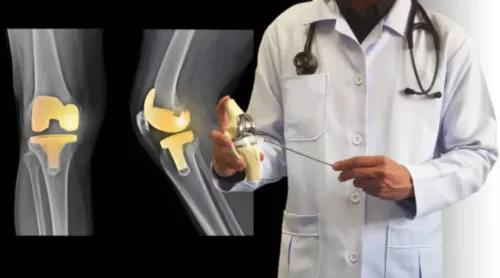
X-rays are commonly used to identify fractures or dislocations. CT or MRI may be required for selected complex injuries.
Does Every Fracture Need Surgery?
No.
Some fractures can heal successfully with a cast, brace, splint, or other conservative treatment.
Surgery becomes more relevant when a fracture is significantly displaced, unstable, involves a joint surface, remains poorly aligned, is associated with an open wound, or has other features requiring fixation.
The patient's age, bone quality, health, plus functional requirements also influence treatment.
Why Alignment Matters
Bones need an appropriate position to heal with useful function.
Poor alignment can sometimes result in deformity, reduced movement, altered joint loading, or difficulty using the limb.
For fractures involving a joint, restoring the joint surface can be especially important because irregularity may influence future movement plus cartilage health.
What Happens After Initial Treatment?
Fracture care does not end after applying a cast or completing surgery.
Follow-up may involve repeat X-rays to assess healing plus alignment. The doctor may adjust weight-bearing restrictions as healing progresses.
Rehabilitation can help restore
- Joint movement
- Muscle strength
- Walking ability
- Balance
- Hand or arm function
- Confidence during activity
The timing of movement depends on fracture stability plus treatment method.
Warning Signs During Recovery
Patients should follow the instructions given by their treating team plus report concerning changes.
Increasing pain, excessive swelling, new numbness, fever, wound discharge, unusual skin colour, or problems with a cast may require review.
After surgery, wound care plus infection monitoring are particularly important.
Choosing Orthopaedic Trauma Care
For patients requiring orthopaedic trauma care in Bandra, Maharashtra, accessibility plus continuity of follow-up can matter because many injuries require monitoring throughout the healing process.
Dr. Sujit Korday evaluates bone plus joint injuries to determine whether conservative management or operative treatment is appropriate based on injury pattern, imaging, stability, plus individual health considerations.
After an accident, the priority should be obtaining an accurate diagnosis rather than assuming that pain is simply a sprain. Proper assessment identifies fractures, dislocations, plus associated injuries early, allowing treatment plus rehabilitation to be planned around safe healing plus restoration of function.
Keywords