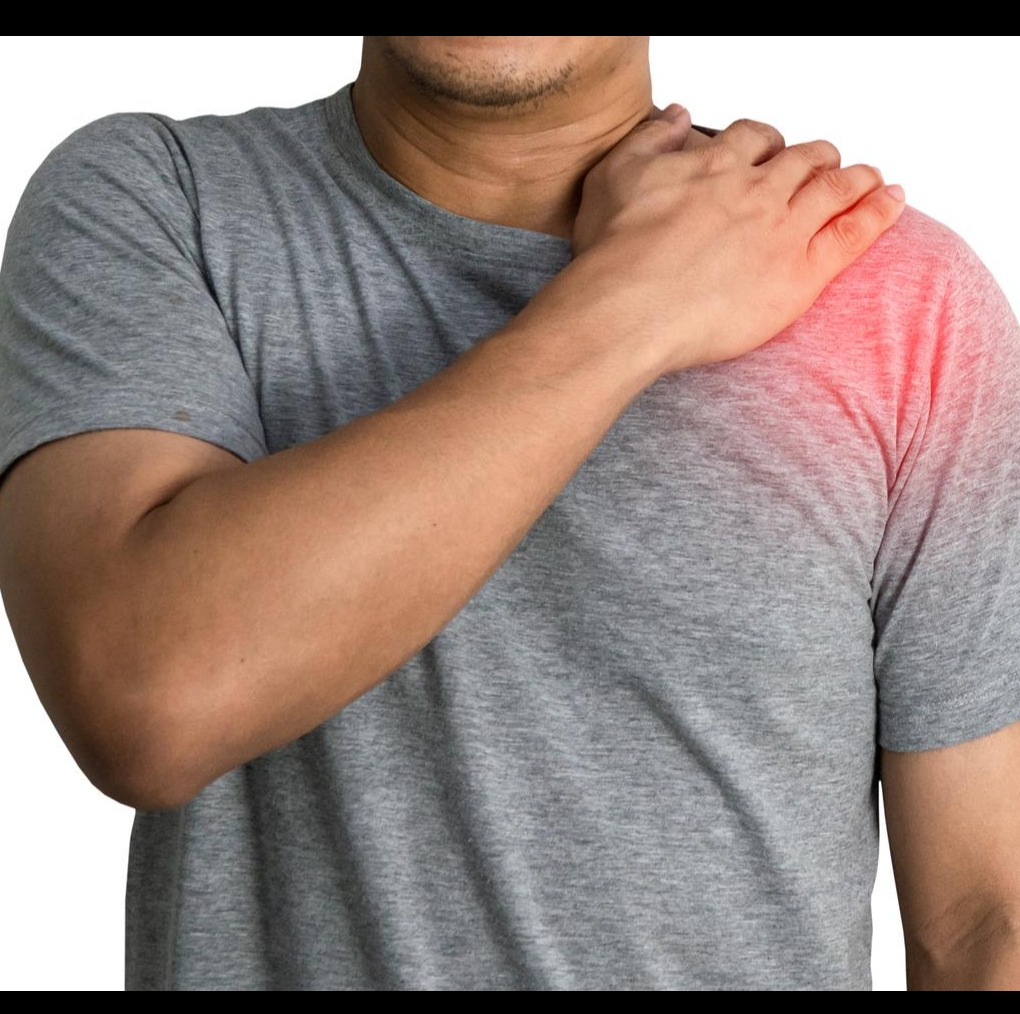
A Dislocation of Shoulder occurs when the upper arm bone moves out of its normal position within the shoulder socket. It commonly follows a fall, sports collision, sudden force, or accident.
A dislocated shoulder requires prompt medical attention. Trying to force the joint back into position without proper assessment can cause additional injury.
How to Recognize a Possible Shoulder Dislocation
The injury often causes immediate severe pain plus obvious difficulty moving the arm.
Possible signs include
- Visible change in shoulder shape
- Severe pain
- Inability to move the arm normally
- Swelling
- Muscle spasm
- Numbness or tingling
- Weakness around the arm or hand
Some patients may not have a dramatic visible deformity, so the mechanism of injury plus examination remain important.
What Should You Do Immediately?
Keep the injured arm supported in the most comfortable position possible.
Avoid repeatedly testing shoulder movement. Do not ask an untrained person to pull or manipulate the arm.
Medical evaluation is required to confirm the dislocation, check circulation plus nerve function, identify associated fractures, then restore the joint safely when appropriate.
Why X-Rays May Be Needed
Shoulder dislocation can occur together with fractures or other structural injuries.
Imaging helps identify the direction of dislocation plus associated bone damage. Additional imaging may later be recommended when there is concern about labral injury, rotator cuff damage, or other soft-tissue problems.
This becomes especially relevant when instability continues after the initial injury.
What Happens After the Shoulder Is Reduced?
Putting the shoulder back into its normal position is called reduction.
After successful reduction, the arm may be supported temporarily. Pain control plus rehabilitation are then planned according to the patient's injury.
Physiotherapy may focus on restoring movement gradually, strengthening the muscles surrounding the shoulder, plus improving joint control.
Returning to sports or heavy activity too quickly can increase the chance of further problems.
Why Does Shoulder Dislocation Sometimes Recur?
The shoulder has a large range of motion, which also means stability depends considerably on soft tissues.
During dislocation, the labrum, capsule, ligaments, bone, or other structures may be injured.
Younger athletes plus people involved in contact or overhead sports can have a higher risk of recurrent instability after certain dislocations.
Repeated episodes may occur during throwing, reaching, swimming, sports, or even routine movements.
When Is Surgery Considered?
Surgery is not automatically required after every first-time shoulder dislocation.
The decision depends on age, activity level, structural damage, recurrence, bone loss, sport requirements, plus overall stability.
Repeated dislocations or significant structural injuries may lead an orthopaedic surgeon to discuss stabilization procedures.
Warning Signs After a Shoulder Injury
Seek urgent medical attention when shoulder trauma causes obvious deformity, severe pain, inability to move the arm, numbness, a cold or pale hand, or significant swelling.
Even after reduction, new numbness, increasing pain, or circulation concerns should be reported promptly.
For patients requiring evaluation of shoulder dislocation in Bandra, Maharashtra, Dr. Sujit Korday can assess joint stability, associated injuries, plus the need for rehabilitation or further treatment.
The immediate goal after a dislocation is safe restoration of the joint. The longer-term goal is equally important identifying damage, restoring controlled movement, then reducing the likelihood of recurrent instability.
Keywords