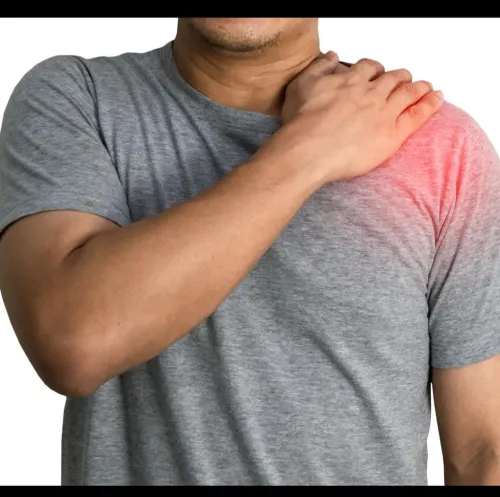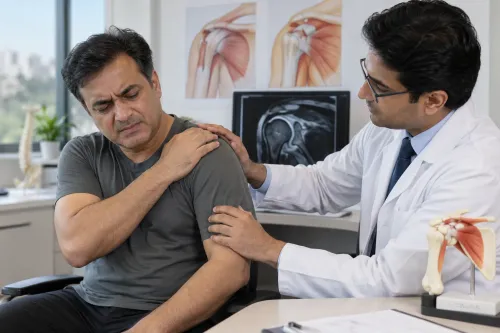
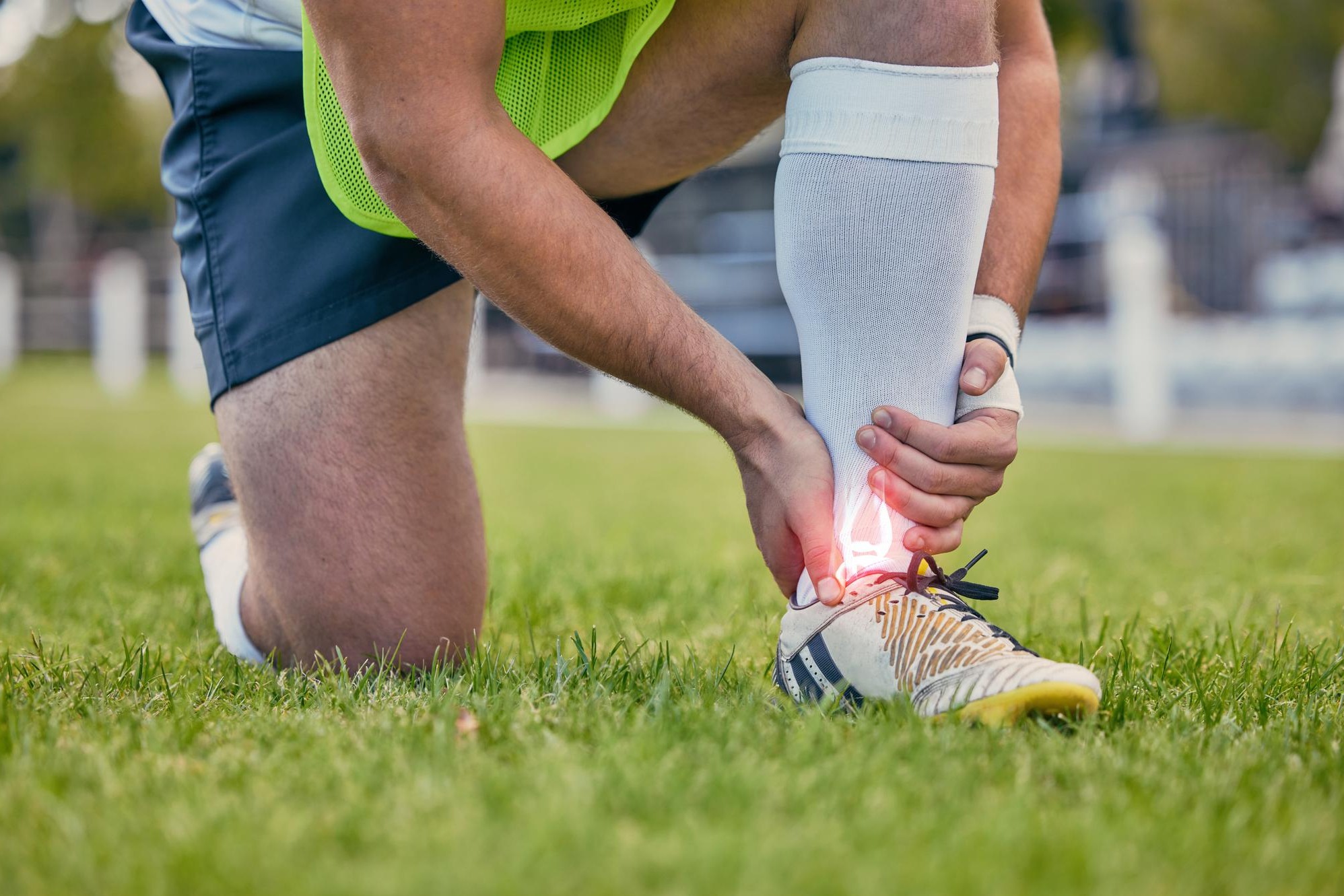
Sports-related pain is common, but not every injury should be treated by simply resting until discomfort disappears. A Sports Injury can involve muscles, tendons, ligaments, cartilage, joints, or bones, with treatment depending on the structure affected plus severity of damage.
Knowing when to seek assessment can help prevent a manageable injury from becoming a prolonged problem.
Which Sports Injuries Are Common?
Different activities place different stresses on the body.
Running may lead to overuse problems around the knee, ankle, or foot. Football plus court sports can cause twisting injuries. Gym training may strain the shoulder, back, or tendons. Contact sports can produce fractures or joint instability.
Common orthopaedic sports injuries include
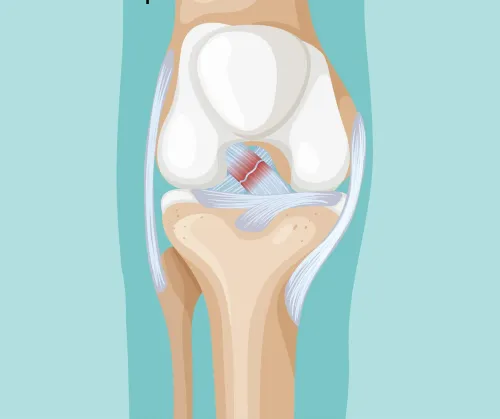
- ACL tears
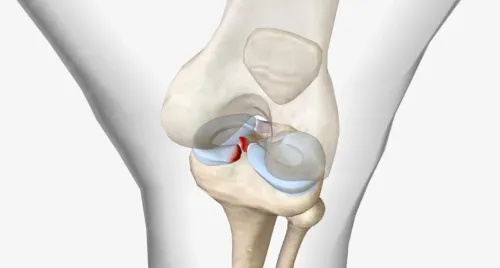
- Meniscal injuries
- Ankle sprains
- Shoulder dislocations
- Rotator cuff injuries
- Muscle strains
- Tendon injuries
- Fractures
- Cartilage injuries
The same symptom can arise from different structures, making diagnosis important.
When Is Home Care Reasonable?
Minor soft-tissue discomfort may improve with temporary activity modification plus gradual recovery.
However, persistent symptoms should not be repeatedly masked with pain medication while continuing the activity that caused them.
Assessment becomes particularly useful when pain lasts longer than expected or repeatedly returns when sport resumes.
Signs You Should See an Orthopaedic Specialist
Seek evaluation when an injury causes
- Significant swelling
- Inability to bear weight
- Recurrent joint instability
- Locking
- Persistent weakness
- Reduced range of movement
- Pain that does not improve
- Visible deformity
- Repeated injury to the same area
A popping sensation followed by rapid knee swelling or sudden shoulder deformity also warrants prompt assessment.
Diagnosis Should Come Before Return-to-Sport Planning
An athlete may feel better before the injured tissue has recovered adequately.
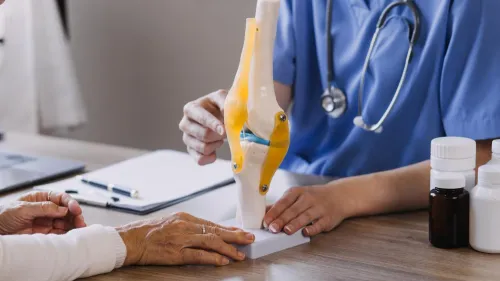
Clinical examination helps identify the damaged structure. X-rays, MRI, ultrasound, or other tests may be recommended depending on the suspected injury.
Once the diagnosis is established, treatment can focus on restoring the physical qualities required by the sport.
Rehabilitation Is More Than Pain Relief
Good rehabilitation should address movement, strength, balance, coordination, plus sport-specific control.
For example, an athlete recovering from a knee ligament injury may eventually need to demonstrate controlled landing, cutting, running, plus direction changes before returning to competition.
Shoulder rehabilitation may require progressive strength plus stability before overhead sport resumes.
Simply becoming pain-free is not always enough.
When Is Surgery Relevant?
Many sports injuries can be managed conservatively.
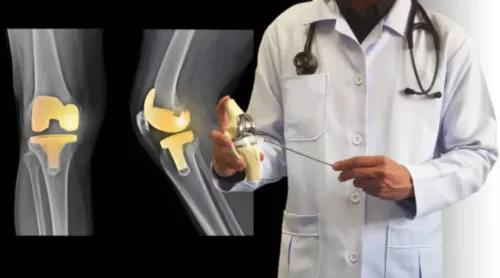
Surgery may be considered for certain fractures, recurrent shoulder instability, selected ACL tears, repairable meniscal injuries, substantial tendon tears, or other structural problems.
The decision depends on injury severity, age, sport, competitive level, instability, associated damage, plus future activity goals.
Avoid the Early Return Trap
Returning too soon is a common reason athletes struggle with recurrent symptoms.
Recovery should progress from basic movement to strength, controlled loading, functional training, then sport-specific activity.
The timeline differs according to the injury.
For people seeking sports injury evaluation in Khar, Maharashtra, Dr. Sujit Korday can assess acute plus persistent musculoskeletal injuries, determine whether imaging is needed, then guide appropriate conservative or surgical treatment.
The goal of sports injury care is not simply getting back onto the field quickly. It is returning with adequate movement, strength, stability, plus confidence so that the body is prepared for the demands of the activity again.
Keywords