A sudden twist during football, badminton, running, landing, or another sporting activity can sometimes injure the anterior cruciate ligament. An ACL Tear of Knee may cause immediate pain, swelling, plus a feeling that the knee is unstable.
For many patients, the difficult question comes after diagnosis does an ACL tear always require surgery?
The answer depends on the injury pattern plus the patient's functional goals.
What Does the ACL Do?
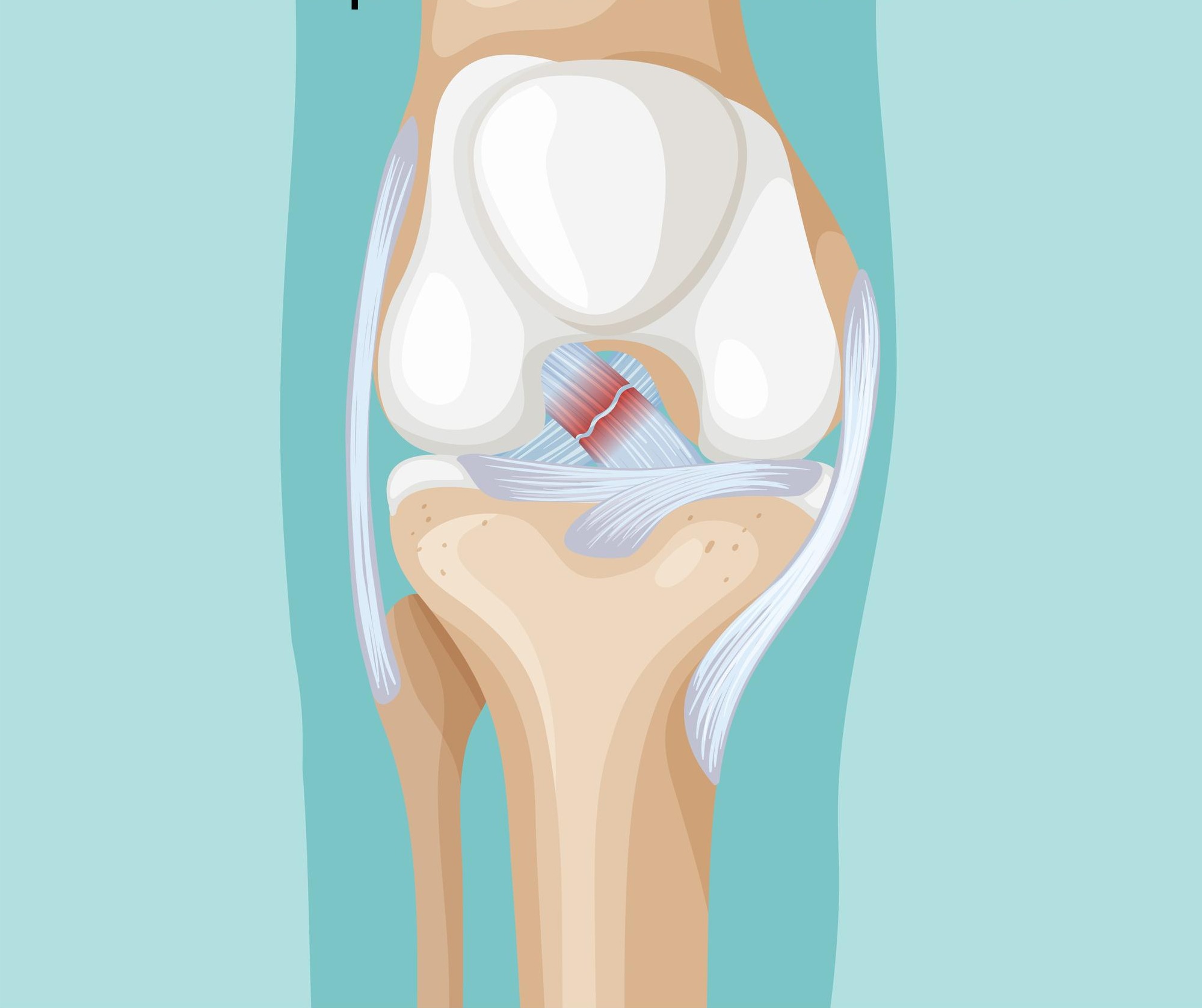
The anterior cruciate ligament is one of the major stabilizing ligaments of the knee. It helps control forward movement plus rotational stability.
ACL injuries frequently occur during sudden direction changes, awkward landings, rapid deceleration, or direct trauma.
Some people describe hearing or feeling a pop when the injury happens.
Symptoms After an ACL Injury
Symptoms can include
- Rapid knee swelling
- Pain after twisting
- Difficulty continuing sport
- Reduced knee movement
- A feeling of instability
- Knee buckling during turning
- Loss of confidence during running or pivoting
After the initial swelling settles, some patients can walk reasonably well but continue to experience instability during demanding activities.
How Is the Diagnosis Confirmed?
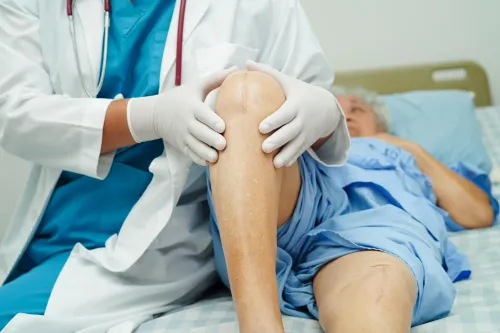
An orthopaedic examination assesses knee stability plus associated injuries.
X-rays may be used to rule out fractures or assess other bone-related problems. MRI can provide information about the ACL plus associated structures such as the menisci, cartilage, collateral ligaments, or bone bruising.
Treatment should consider the entire knee rather than the ACL alone.
When Can Rehabilitation Be Appropriate?
Not every ACL tear automatically requires reconstruction.
Some patients with lower activity demands plus good functional stability may be managed with structured rehabilitation.
Physiotherapy focuses on reducing swelling, restoring movement, strengthening the quadriceps plus hamstrings, improving balance, then developing neuromuscular control.
Whether non-operative management is appropriate depends on individual stability plus intended activities.
When Is ACL Reconstruction Considered?
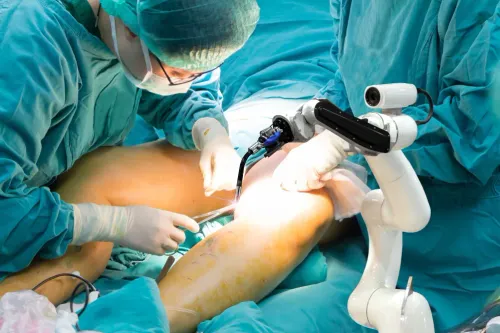
Surgery may be discussed when recurrent instability interferes with sport, work, or daily activity.
It may also be relevant for patients who want to return to pivoting sports or whose knee repeatedly gives way despite appropriate rehabilitation.
Associated meniscal injuries, cartilage damage, age, occupation, activity level, plus future goals can influence the decision.
Why Repeated Giving-Way Matters
An unstable knee can be more than inconvenient.
Repeated episodes of buckling may expose other structures within the knee to further injury. This is one reason persistent instability should not simply be ignored.
Patients should avoid returning to high-demand sport before adequate strength, movement, balance, plus stability have been restored.
What Does Recovery Require?
Whether treatment is surgical or non-operative, rehabilitation plays a central role.
Recovery focuses on restoring movement, rebuilding muscle strength, improving control, then progressing through increasingly demanding functional activities.
Returning to sport is not based only on the number of months since injury. Strength, movement quality, stability, confidence, plus sport-specific testing may also be considered.
For people dealing with an ACL tear in Santacruz, Maharashtra, Dr. Sujit Korday can assess the degree of instability, review imaging, identify associated injuries, plus discuss treatment according to activity requirements.
The best plan is usually the one that matches the patient's knee stability plus future goals rather than treating every ACL tear according to the same formula.
Keywords