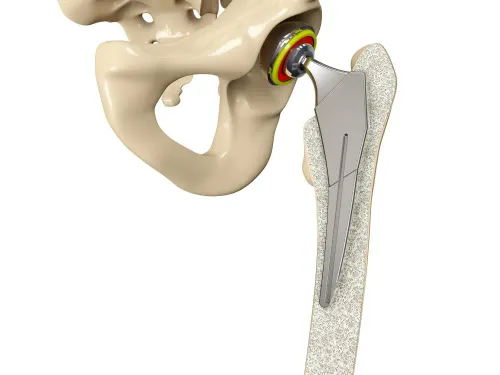

When hip arthritis begins limiting walking, sleep, work, and everyday movement, patients may start considering replacement surgery. At this stage, choosing a surgeon can feel complicated, particularly when online searches produce numerous claims about the best hip replacement surgeon.
For patients in Santacruz, Khar and Bandra, Mumbai, a practical selection process should focus on clinical experience, communication, surgical planning, hospital support, and rehabilitation rather than promotional labels.
Start by understanding the diagnosis
Before discussing surgery, the surgeon should establish why the hip is painful.
Hip symptoms may be associated with osteoarthritis, avascular necrosis, fractures, inflammatory conditions, previous injuries, or other disorders. Not every diagnosis requires the same treatment.
Dr. Sujit Korday provides orthopaedic assessment for joint conditions and discusses surgical options when they are clinically indicated.
Evaluate the consultation, not just credentials
A useful hip replacement consultation should give you a clear understanding of:
- Your diagnosis
- Severity of joint damage
- Available non-operative treatments
- Reason replacement is being considered
- Proposed surgical approach
- Important risks
- Rehabilitation requirements
- Expected functional goals
Patients should feel able to ask questions and understand why a particular recommendation is being made.
Review the complete treatment pathway
Choosing a hip replacement surgeon also means considering what happens before and after the operation.
Preoperative assessment may involve reviewing existing medical conditions, medications, investigations, and anaesthesia requirements. After surgery, rehabilitation, walking progression, wound care, precautions, and follow-up become important components of recovery.
Avoid choosing based on one claim
Terms such as “advanced,” “latest,” or “best” can attract attention, but they do not establish whether a treatment is appropriate for an individual patient.
Instead, ask specific questions:
- How does my diagnosis support hip replacement?
- Are there reasonable alternatives?
- What implant considerations apply to me?
- What risks are particularly relevant to my health?
- What assistance will I need after discharge?
- What activities can I realistically return to?
People searching for the best hip replacement surgeon in Santacruz, Khar and Bandra should therefore look beyond rankings and advertisements.
In Mumbai, Maharashtra, patients can encounter multiple hospitals, implant options, and surgical approaches. The strongest basis for a decision remains an individual assessment and a clear explanation of benefits, limitations, alternatives, and risks.
Hip replacement is a significant treatment decision. Taking time to understand the recommendation helps patients and families approach it with realistic expectations and better preparation.
Keywords