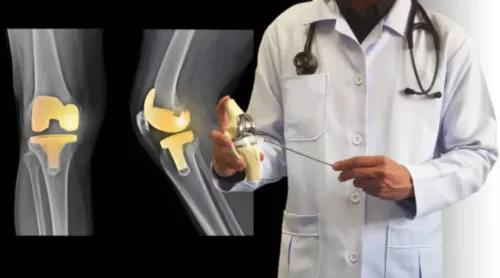

Patients researching modern joint replacement techniques may come across the phrase Direct Anterior Approach for TKR. However, there is an important anatomical distinction that should be understood before interpreting online information.
The direct anterior approach is most commonly associated with total hip replacement, not Total Knee Replacement. TKR refers to Total Knee Replacement, where surgeons use knee-specific surgical approaches. Clarifying this terminology can help patients ask more accurate questions during an orthopaedic consultation.
What Is the Direct Anterior Approach?
During hip replacement, the surgeon needs a surgical pathway to reach the damaged hip joint. The direct anterior approach accesses the hip from the front.
It is one of several established approaches used for total hip replacement. The choice of approach depends on surgeon training, patient anatomy, previous operations, deformity, implant requirements, plus individual clinical circumstances.
No surgical approach should automatically be considered suitable for every patient.
What Approaches Are Used for Knee Replacement?
Total Knee Replacement requires exposure of the knee joint rather than the hip. Common knee replacement approaches include the medial parapatellar approach plus selected muscle-sparing techniques such as the subvastus approach.
The appropriate technique depends on factors such as
- Knee deformity
- Previous surgery
- Patient anatomy
- Muscle condition
- Joint stiffness
- Implant requirements
- Surgeon experience
Patients should therefore avoid choosing a surgical method solely because a particular term sounds newer or less invasive.
Why Surgical Approach Matters
The surgical approach determines how the surgeon reaches the joint. It can influence exposure, soft-tissue handling, early rehabilitation, plus certain procedure-specific risks.
However, surgical approach is only one component of successful joint replacement.
Accurate implant positioning, appropriate patient selection, infection prevention, blood-loss management, rehabilitation, pain control, plus postoperative monitoring are also important.
This is why evaluating an operation only by incision location can give an incomplete picture.
Questions Worth Asking During Consultation
Patients considering joint replacement can make consultations more useful by asking specific questions.
Useful questions include
- Which joint is causing my symptoms?
- How advanced is the damage?
- Do I need replacement surgery at this stage?
- Which surgical approach is suitable for my anatomy?
- What are the expected benefits?
- What risks apply to my health profile?
- How soon does rehabilitation begin?
- What activities may be possible after recovery?
These questions provide more useful information than selecting a procedure based only on online terminology.
Be Careful With Similar-Sounding Procedure Names
Online searches frequently combine hip replacement terms with knee replacement terminology. This can create confusion, particularly when patients encounter abbreviations such as THR or TKR.
THR generally refers to Total Hip Replacement.
TKR generally refers to Total Knee Replacement.
The direct anterior approach is principally discussed in relation to hip replacement surgery.
Subvastus, medial parapatellar, plus other knee-specific approaches relate to knee replacement.
Knowing these distinctions makes it easier to understand recommendations from an orthopaedic surgeon.
Treatment Should Start With Diagnosis
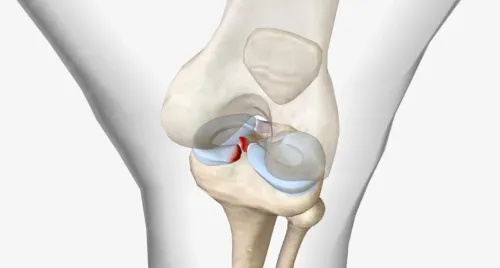
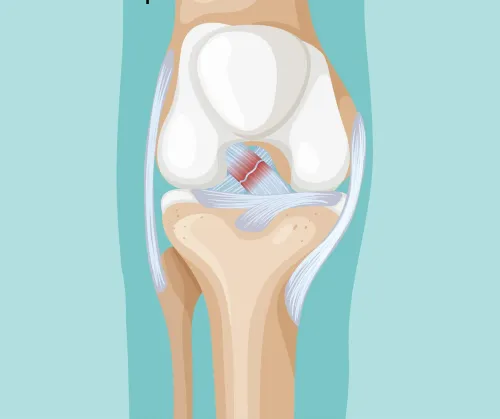
Joint pain does not automatically mean joint replacement is required. Hip pain can arise from arthritis, tendon disorders, bursitis, fractures, avascular necrosis, or referred pain. Knee symptoms can originate from cartilage damage, meniscal injuries, ligament problems, arthritis, trauma, or other causes.
An examination plus appropriate imaging helps establish the diagnosis before surgical options are discussed.
For patients in Khar, Maharashtra, Dr. Sujit Korday provides orthopaedic evaluation for hip, knee, plus mobility-related conditions. Where joint replacement becomes relevant, the surgical plan can be based on the affected joint, severity of damage, anatomy, health status, plus functional goals.
Understanding the correct terminology is useful, but choosing the right treatment requires much more than knowing the name of a surgical approach. A patient-specific assessment remains the foundation of responsible joint replacement planning.
Keywords