Persistent joint pain can gradually affect walking, climbing stairs, sleep, work, and everyday independence. When medicines, physiotherapy, activity modification, or injections no longer provide adequate relief, joint replacement may become a treatment option. Patients searching for Hip Replacement TKR often use these terms together, although they refer to replacement procedures involving different joints.
TKR stands for Total Knee Replacement, while hip replacement involves replacing damaged portions of the hip joint. Understanding this distinction is important before exploring treatment options.
When Is Hip Replacement Considered?
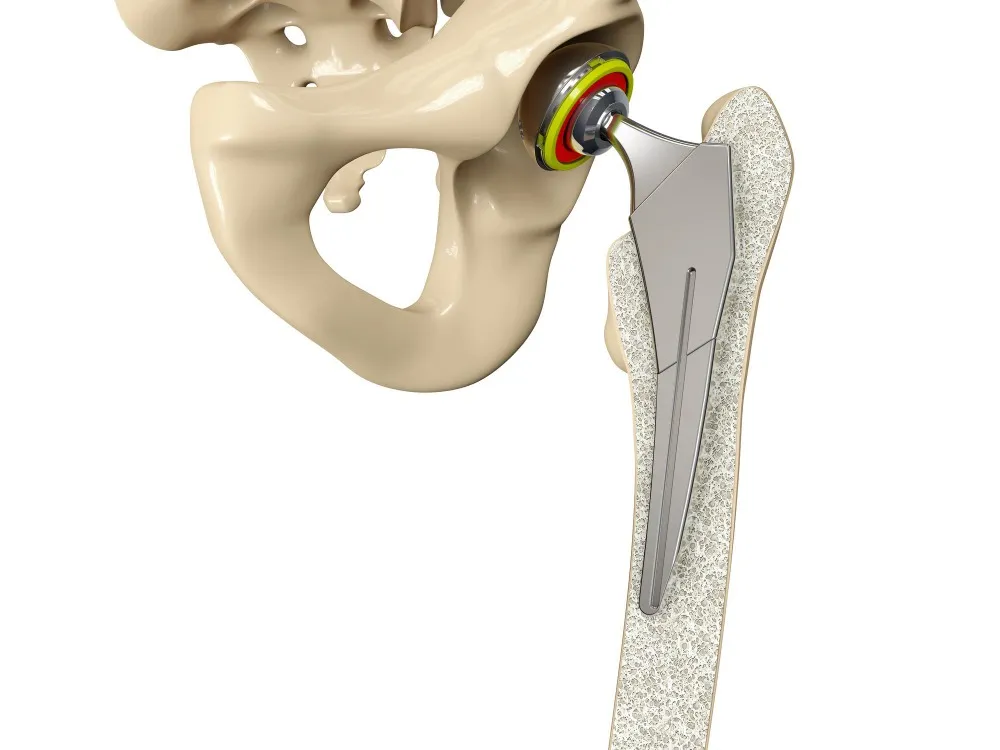
The hip is a ball-and-socket joint. Conditions such as advanced osteoarthritis, avascular necrosis, certain fractures, inflammatory arthritis, or severe joint degeneration can damage its smooth cartilage surfaces.
Symptoms that may lead to an orthopaedic evaluation include
- Persistent groin or hip pain
- Difficulty walking longer distances
- Pain while getting up from a chair
- Reduced hip movement
- Difficulty wearing footwear
- Night pain
- Increasing dependence on pain medication
Hip replacement may be considered when joint damage is significant enough to interfere with normal daily activities despite appropriate conservative treatment.
What Does TKR Mean?
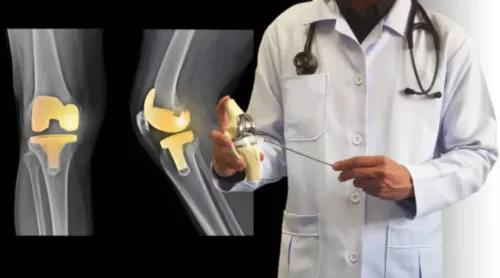
Total Knee Replacement is a surgical procedure used for a severely damaged knee joint. During the procedure, damaged joint surfaces are removed before being replaced with artificial components designed to restore smoother movement.
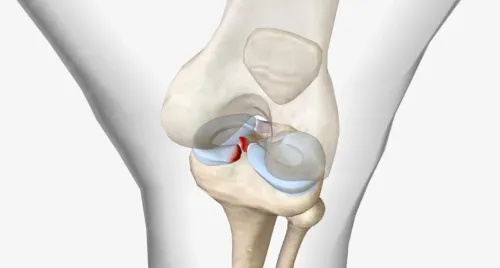
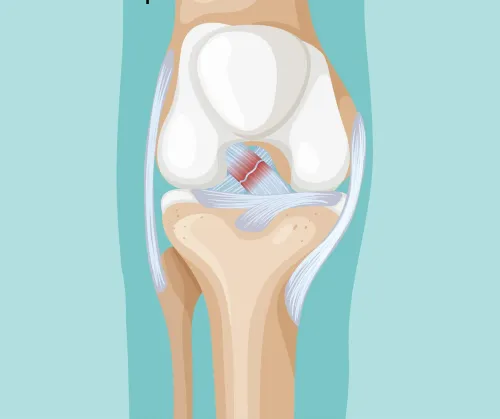
A TKR may be considered when a patient has advanced knee arthritis accompanied by significant pain, stiffness, deformity, or loss of mobility.
Typical symptoms include difficulty climbing stairs, pain during walking, stiffness after rest, swelling, reduced knee movement, or increasing bow-legged or knock-kneed deformity.
How Doctors Determine Which Procedure Is Appropriate
Joint replacement is not recommended simply because an X-ray shows arthritis. The decision generally depends on the combination of symptoms, examination findings, imaging results, age, general health, functional limitations, previous treatments, plus patient expectations.
An orthopaedic surgeon may review
- Where the pain originates
- Duration of symptoms
- Walking ability
- Joint movement
- Stability
- X-rays or other imaging
- Response to physiotherapy
- Previous injections or medication
- Overall medical fitness
This assessment helps establish whether symptoms are actually coming from the hip, knee, spine, or another structure.
Surgery Is Not Always the First Step
Many people with arthritis can initially be managed without surgery. Depending on the condition, treatment may include weight management, targeted exercises, physiotherapy, activity modification, appropriate pain relief, walking aids, or selected injections.
Replacement surgery becomes more relevant when structural damage is advanced plus symptoms continue to substantially limit quality of life.
Recovery Depends on More Than the Operation
Successful joint replacement involves preparation before surgery plus structured rehabilitation afterward.
Patients may be encouraged to improve muscle strength before the procedure, optimize diabetes or other medical conditions, stop smoking where applicable, review medications, plus prepare their home for early recovery.
After surgery, rehabilitation usually focuses on safe walking, restoring movement, improving muscle strength, preventing complications, plus gradually returning to routine activities.
Recovery timelines differ according to the joint replaced, surgical technique, general health, muscle condition, age, plus individual progress.
When Should You Seek an Orthopaedic Opinion?
Consider an evaluation when hip or knee pain persists for weeks or months, repeatedly limits routine activity, causes night pain, affects walking, or continues despite appropriate treatment.
Patients seeking clarity about hip replacement or TKR in Santacruz, Maharashtra, can benefit from an assessment that identifies the actual source of pain before discussing surgery.
Dr. Sujit Korday evaluates joint symptoms based on clinical findings, imaging, functional limitations, plus previous treatment history. The purpose of consultation is to determine whether conservative care remains appropriate or whether joint replacement deserves consideration.
The most important step is not choosing a procedure by name. It is obtaining an accurate diagnosis, understanding how severely the joint is affected, then selecting treatment according to the individual condition.
Keywords