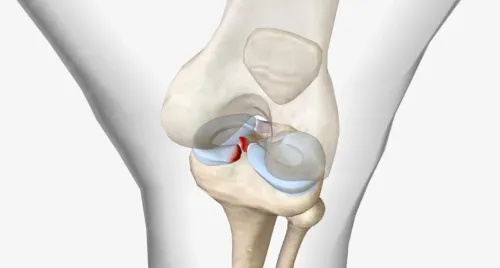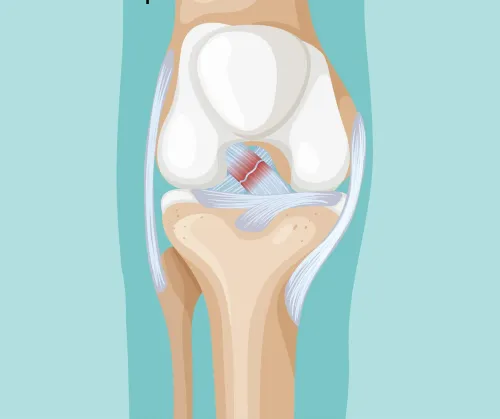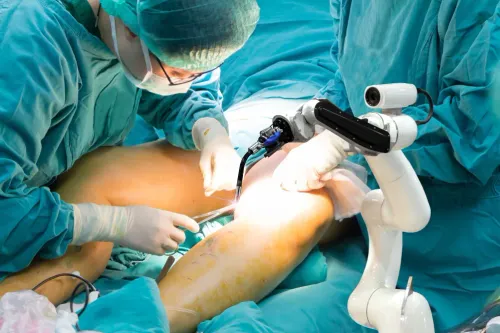
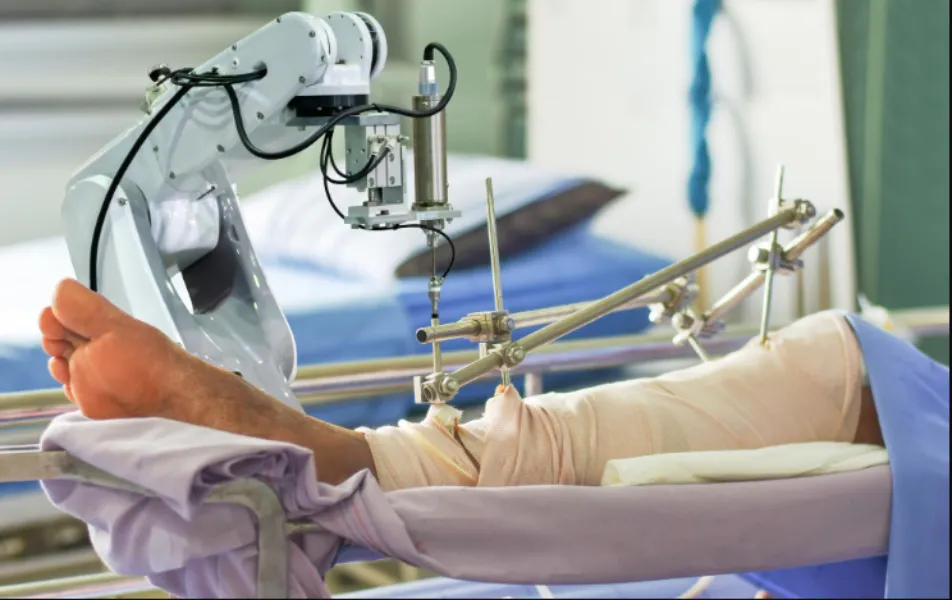
Technology is increasingly discussed in orthopaedic surgery, particularly in knee and other selected joint replacement procedures. Robotic-Assisted Joint Replacement is one development that has attracted considerable patient interest, but the term can create the impression that a robot independently performs the operation.
That is not how robotic-assisted orthopaedic surgery works.
What does robotic assistance mean?
Depending on the system being used, robotic technology may assist the surgeon with aspects of preoperative planning, measurements, bone preparation, component positioning, or execution of a planned surgical strategy.
The surgeon remains responsible for the procedure and clinical decisions.
For patients exploring Robotic-Assisted Joint Replacement in Santacruz, Khar and Bandra, understanding this distinction helps create realistic expectations about the technology.
Why might detailed planning matter?
Joint replacement involves several technical considerations, including alignment, anatomy, implant positioning, bone preparation, and soft-tissue factors.
Robotic-assisted systems are designed to provide additional planning or intraoperative information in appropriate procedures.
Dr. Sujit Korday considers the patient's diagnosis, anatomy, joint damage, health, and overall treatment requirements when evaluating joint replacement options.
Is robotic surgery automatically better for every patient?
Technology alone does not determine whether someone is a suitable candidate for joint replacement.
The first question should still be whether replacement surgery is clinically appropriate at all.
Patients need assessment of:
- Severity of arthritis
- Pain and functional limitations
- Joint alignment and anatomy
- Previous treatments
- General medical health
- Rehabilitation readiness
- Individual surgical considerations
The availability of robotic technology should not replace these fundamentals.
Questions to ask about robotic-assisted surgery
Patients in Santacruz, Khar and Bandra, Mumbai, Maharashtra can ask:
- What role will robotic assistance have in my procedure?
- Why is it being considered for my case?
- Does it change the surgical plan?
- What type of implant is being proposed?
- Are the risks different from conventional surgery?
- What rehabilitation will I need?
- Is conventional joint replacement also appropriate?
These questions help separate meaningful clinical information from technology-focused marketing.
Robotic assistance represents a surgical tool rather than an independent treatment. The surgeon's assessment, procedure selection, operative planning, medical preparation, and rehabilitation strategy remain central to the overall treatment pathway.
Patients considering robotic-assisted joint replacement should therefore evaluate both the technology and the broader quality of care surrounding it. A detailed consultation can establish whether the technique is applicable to the specific joint condition and what role it may play in the planned operation.
Keywords