Hip pain can gradually transform simple activities such as getting out of a chair, walking to nearby shops, putting on footwear, or sleeping comfortably into difficult tasks. When substantial hip-joint damage is responsible, Total Hip Replacement (THR) may eventually become one of the treatment options discussed.
For patients seeking information about Total Hip Replacement in Santacruz, Khar and Bandra, understanding why surgery is recommended is an important first step.
What is total hip replacement?
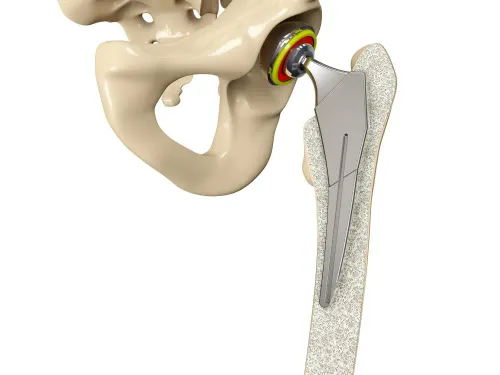
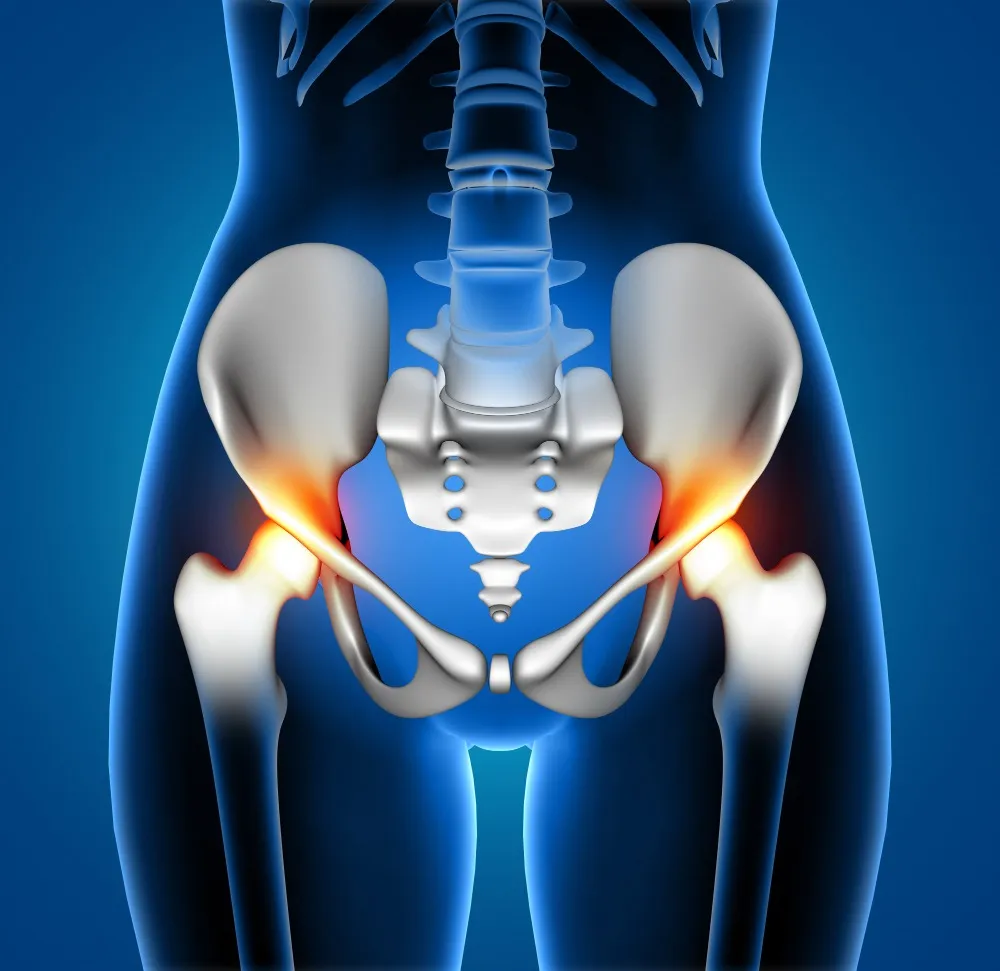
The hip is a ball-and-socket joint. Conditions such as advanced osteoarthritis can damage the smooth surfaces that allow the joint to move comfortably.
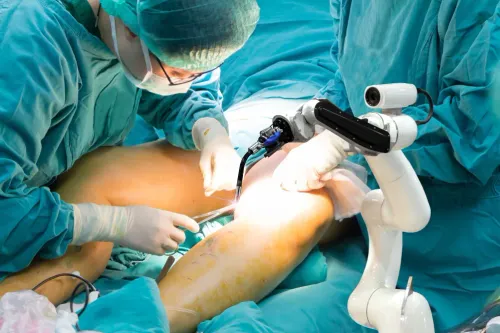
During total hip replacement, damaged portions of the joint are replaced with prosthetic components. The purpose is to address symptoms and functional limitations associated with significant structural joint disease.
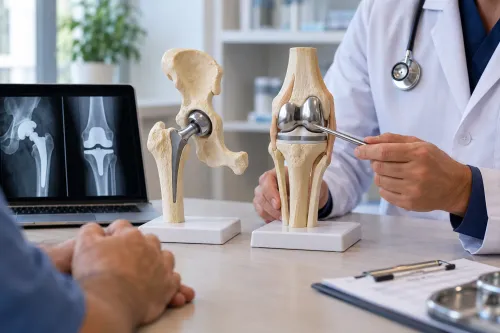
Dr. Sujit Korday assesses hip symptoms, movement, imaging findings, medical history, and previous treatments before determining whether replacement should be considered.
Signs that warrant orthopaedic evaluation
Hip replacement is not determined by age alone. Patients may need further evaluation when they experience:
- Persistent groin or hip pain
- Increasing stiffness
- Difficulty walking
- Reduced hip movement
- Problems putting on shoes or socks
- Pain affecting sleep
- Increasing dependence on pain medication
- Significant limitations despite conservative management
Some hip conditions can cause pain around the thigh, buttock, or knee, so identifying the true source of symptoms is essential.
Is surgery always the first treatment?
Usually not.
Depending on the diagnosis and severity, management may include activity changes, physiotherapy, medication, weight management where relevant, walking aids, or other measures.
Surgery becomes a more relevant discussion when symptoms and structural damage are substantial and appropriate conservative approaches are no longer adequate.
Planning beyond the operation
Patients in Santacruz, Khar and Bandra, Mumbai, Maharashtra should also consider rehabilitation and home preparation. Recovery may involve temporary walking support, exercises, precautions, follow-up appointments, and gradual progression towards daily activities.
Before deciding on THR, discuss your existing medical conditions and medications with the treating team. Medical optimisation may form an important part of surgical preparation.
Total hip replacement is therefore not simply a decision based on pain intensity. It requires a broader assessment of joint damage, mobility, health status, functional needs, treatment history, and expectations. A structured orthopaedic consultation can establish whether hip replacement is appropriate and what alternatives remain available.
Keywords